Yard Cleaning Mistakes That Attract Insects, Snakes & Mosquitoes.

Prevent Snakes Yard Cleaning

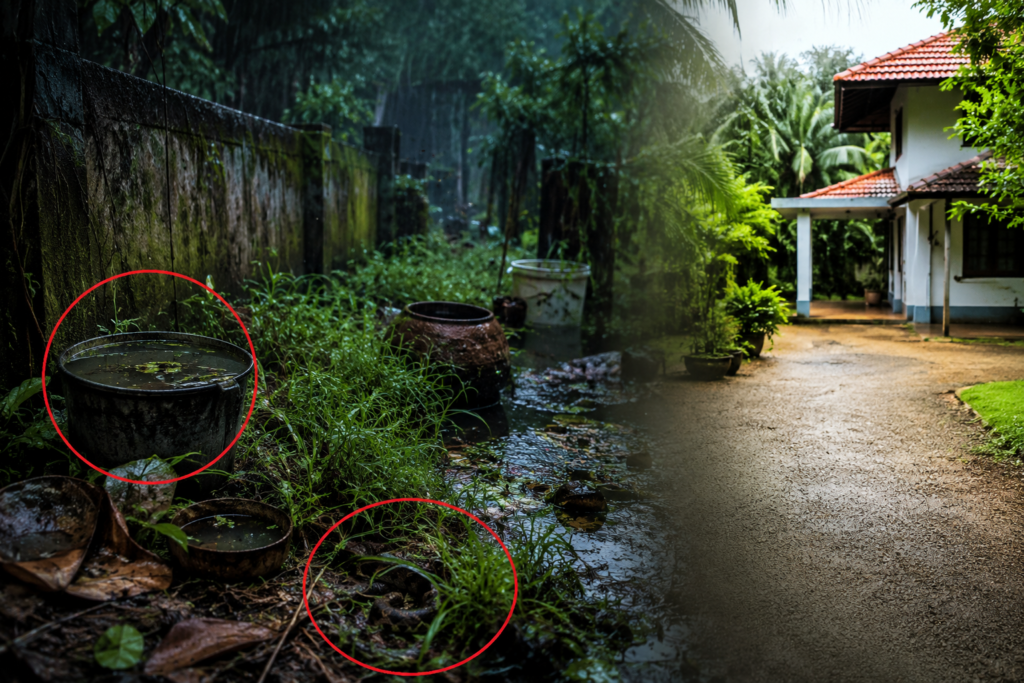
You step out into your yard on a Kerala morning with a cup of chai in your hand. You take a breath and smell the fresh earthy scent.

Then you notice. When did that corner of your yard get so messy? Is that a puddle from week still there?. Whats hiding under that pile of old coconut shells near the gate?

Here’s the truth we don’t like to hear: during Keralas season even a small yard can become a home for mosquitoes and snakes. Often without you noticing.

This isn’t about scaring you. It’s about helping you stay ahead.

Every year families in Kerala deal with dengue, chikungunya and sometimes even snake encounters. And usually the problem starts outside their front door. A forgotten pot of water. Grass that grew too tall. A pile of leaves in the corner that no one cleaned.

If you’re also looking for simple ways to keep your entire home clean and stress-free, check out this helpful guide:
👉 Budget-Friendly Cleaning Tips for a Fresh, Peaceful & Happy Home

The good news? You don’t need tools or a professional service to fix this. You just need a checklist. And about 20 minutes a week.

Lets go through 10 important yard cleaning checklists that every Kerala homeowner should follow during the rainy season.

Why Your Yard Becomes Dangerous During Rainy Season

Keralas season is beautiful. But its also very strong. Heavy rains, humidity and warm temperatures create the perfect conditions for mosquitoes to breed and snakes to be active.

Here’s what happens in a yard:

* Rainwater collects in pots, tyres, broken containers and even leaf cups

* Overgrown plants give mosquitoes shaded spots to rest and snakes cool places to hide

* Rotting waste attracts frogs. Which attract snakes

* Blocked drains create pools that become mosquito homes within 2-3 days

* Damp soil near walls and garden beds is perfect for snake burrows

The combination of warmth, moisture and overgrowth is what makes June to September the high-risk months for Kerala families.

Now lets fix it. One checklist, at a time.
10 Simple Yet Powerful Checklists to Keep Your Yard Safe

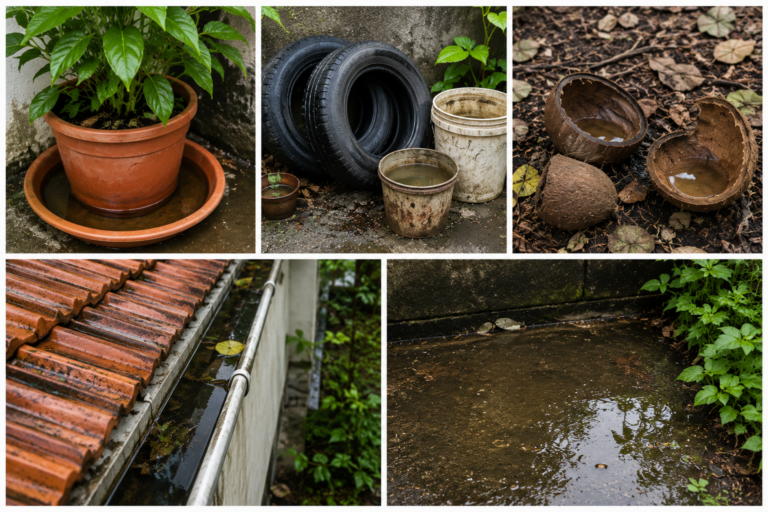
Checklist 1: Clear All Stagnant Water — Every Single Week

Neglected water collection spots outdoors

Mosquitoes need just one bottle cap of stagnant water to breed. During monsoon, water collects in the most unexpected places.

What to check and clear:

  • Flower pots with water-collecting saucers underneath
  • Old tyres, buckets, broken pots stored outside
  • Coconut shells and leaf cups on the ground
  • Roof gutters and drainage pipes
  • Low-lying areas where rainwater pools

Actionable tip: Every Sunday morning, do a quick 10-minute walkthrough of your yard. Flip, empty, or cover anything holding water. For permanent planters, poke drainage holes in the bottom.

Pro Tip: Sprinkle a small pinch of table salt in any decorative water features to slow mosquito breeding — it’s safe for plants in small amounts.

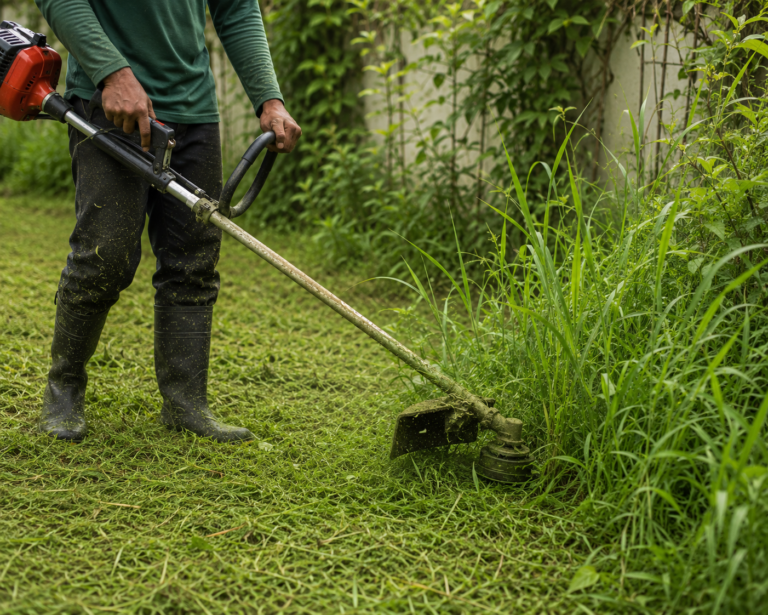
Checklist 2: Trim Grass and Vegetation Regularly

Trimming the garden in daylight

Long grass and overgrown shrubs are not just unsightly — they are prime hiding spots for snakes and resting areas for mosquitoes during the day.

What to do:

  • Keep grass trimmed below 5 inches at all times
  • Cut back shrubs and low-hanging branches near walls and pathways
  • Remove ivy or creepers growing along compound walls (snakes love these for climbing)
  • Clear vegetation within 1 metre of your home’s foundation

Actionable tip: If you can’t manage weekly trimming during heavy rains, at minimum check and cut back vegetation near entry points — your front gate, back door, and kitchen garden area.

Pro Tip: After trimming, scatter some lime powder (chuna) along the base of walls and garden borders. Snakes dislike the texture and avoid it.

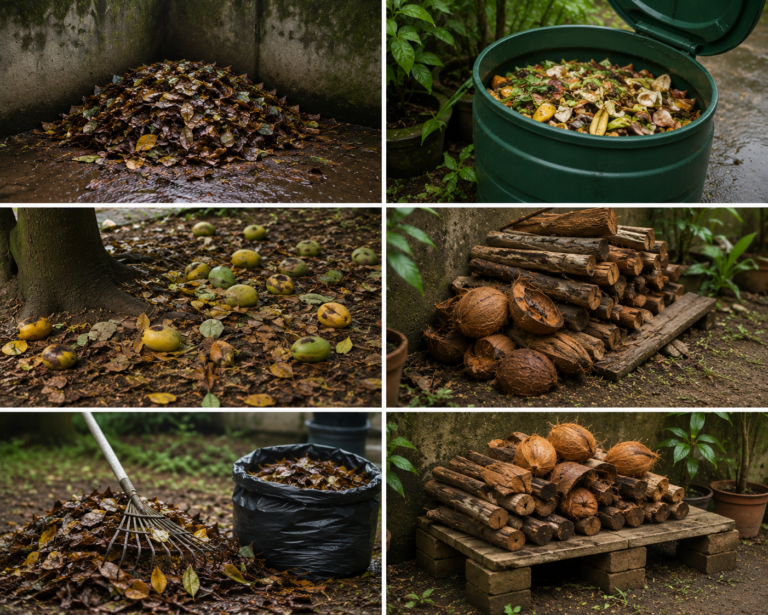
Checklist 3: Manage Your Waste and Organic Debris

Garden debris and compost cleanup

Rotting leaves, vegetable peels, and organic waste attract insects, frogs, and rodents. And where there are frogs and rodents, snakes follow.

What to check:

  • Leaf piles in corners of the yard
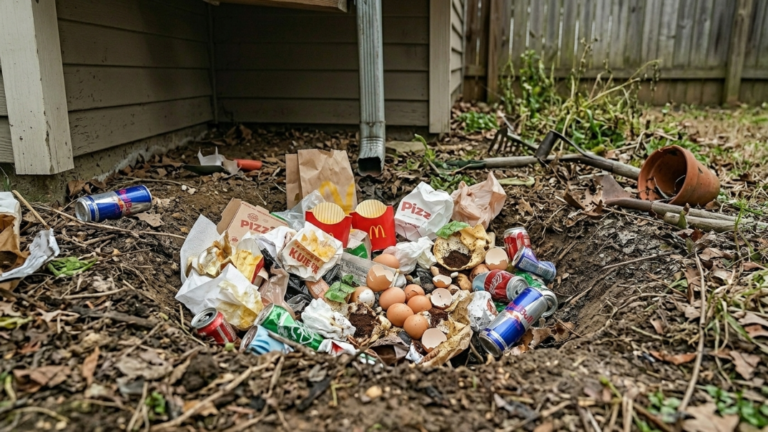
  • Compost bins or kitchen waste dumped openly
  • Fallen fruit from mango, guava, or papaya trees
  • Firewood or coconut husk stacked directly on the ground

Actionable tip: Store firewood and coconut husks on an elevated platform (even old bricks work). Rake and bag leaf litter twice a week during heavy monsoon months. If you compost, use a closed bin with a lid.

Pro Tip: Sprinkle dried neem leaves around your compost area — it acts as a natural repellent for many insects.

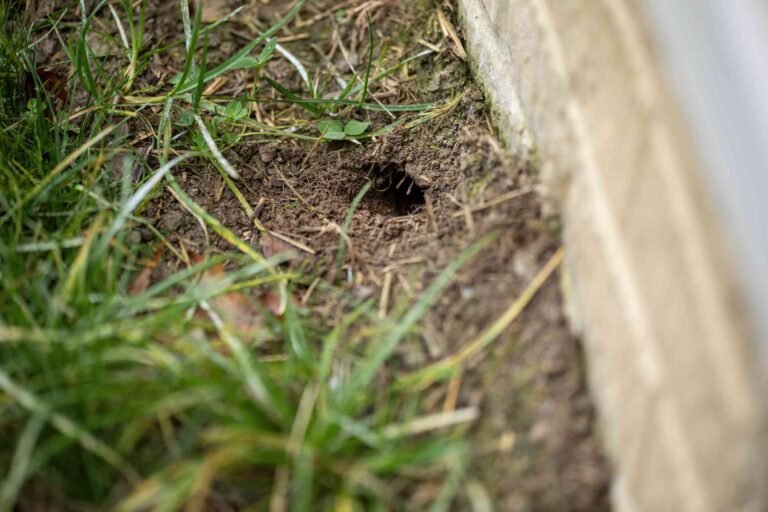
Checklist 4: Eliminate Hidden Snake Shelters

hidden snake hole

Many homeowners focus on cleaning visible areas but forget the hidden spaces where snakes often rest.

Check These Areas:

  • Under outdoor storage boxes
  • Beneath unused construction materials
  • Behind water tanks
  • Around piles of bricks or stones
  • Under old furniture kept outside
Actionable Tip:Inspect these locations every two weeks. Wear gloves and use a long stick to gently move objects before handling them.

Pro tip: Keep all outdoor storage at least 15 cm above the ground using pallets or bricks. This reduces hiding spots and improves airflow.

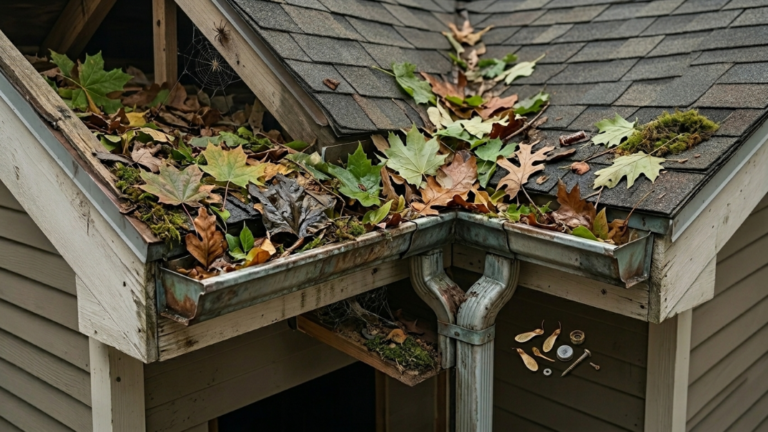
Checklist 5: Keep Drains and Gutters Clean

roof gutters with leaves

Blocked drains are among the biggest contributors to mosquito infestations.

What to check:

  • Roof gutters filled with leaves
  • Drainage channels around the property
  • Stormwater outlets
  • Drain covers with accumulated debris

    Actionable Tip: After every heavy rain, spend a few minutes ensuring water flows freely through all drainage systems.

Why it matters: Mosquitoes can begin breeding within a few days of standing water forming. A clean drainage system significantly reduces this risk.

Pro tip: Install simple mesh guards on gutters to prevent leaf buildup.

Checklist 6: Remove Rodent Attractions

open garbage yard cleaning

Rodents are a major food source for snakes.

Common Rodent Attractants:

  • Pet food left outdoors overnight
  • Bird feed spilled on the ground
  • Open garbage containers
  • Fallen fruits from trees

Actionable Tip: Store food waste in sealed bins and clean outdoor eating areas daily.

Pro tip: Harvest ripe fruits promptly and remove fallen fruit from the yard every evening.

Checklist 7: Maintain Outdoor Lighting Areas

insect nests

Many insects gather around outdoor lights at night, attracting frogs and geckos, which in turn attract snakes.

What to Do:

  • Clean around outdoor light fixtures
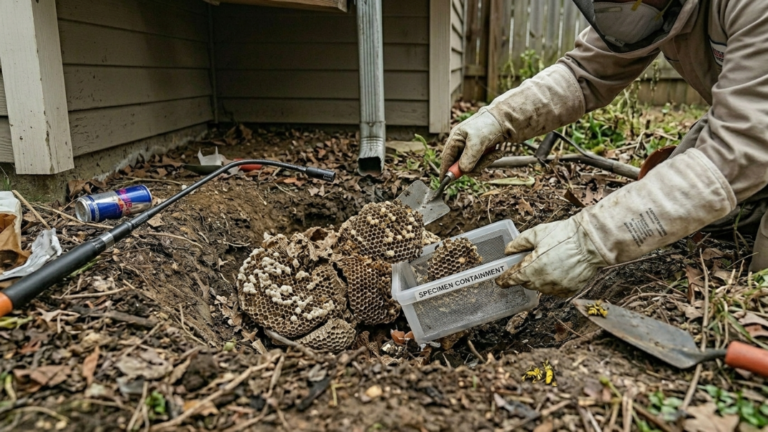
  • Remove insect nests
  • Trim vegetation around lights
  • Ensure proper drainage nearby

Actionable Tip: Switch to warm-colored LED lights where possible. They attract fewer insects than bright white lights.

Pro tip: Regular yard cleaning around entrances makes your property less attractive to unwanted pests.

Checklist 8: Organize Your Garden Properly

walking pathway

A well-maintained garden is easier to inspect and safer for children and pets.

Garden Safety Checklist:

  • Keep pathways clear
  • Space plants appropriately
  • Avoid dense ground cover near entrances
  • Remove dead plants promptly
  • Keep garden edges neat

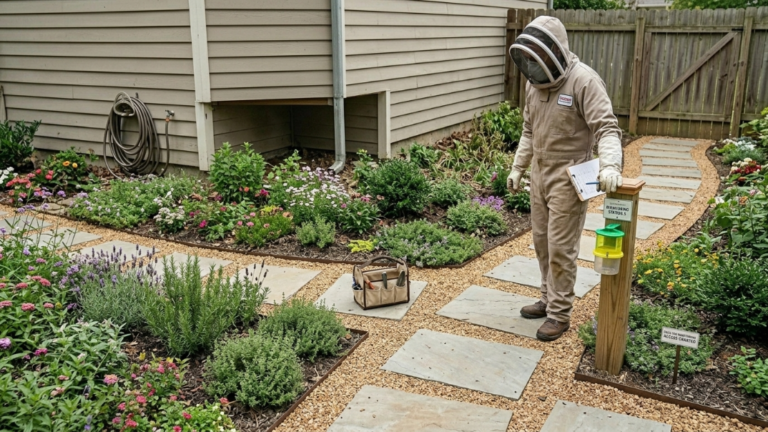
Actionable Tip: Create visible walking paths through larger gardens so hidden areas are easier to monitor.

Pro tip: Raised garden beds improve drainage and reduce damp hiding spots.

Checklist9: Inspect Boundary Walls and Fences

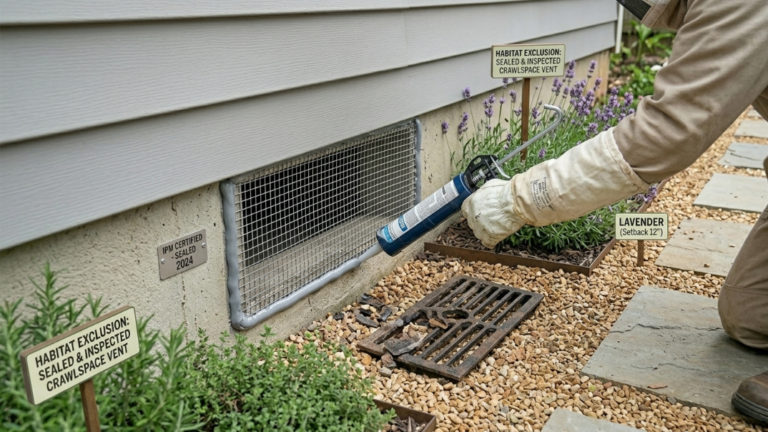
Seal large openings

Boundary walls often provide shelter and travel routes for snakes.

What to Check:

  • Cracks in walls
  • Gaps beneath gates
  • Dense vegetation along fences
  • Areas where debris accumulates

Actionable Tip: Seal large openings and regularly clear vegetation along property boundaries.

Pro tip: A clean perimeter makes it easier to spot potential hazards before they become serious problems.

Checklist 10: Perform a Weekly Yard Cleaning Inspection

The simplest and most effective strategy is consistency.

Your 20-Minute Weekly Yard Cleaning Routine:

✔ Empty standing water

✔ Trim overgrown grass

✔ Remove leaf litter

✔ Check drains

✔ Inspect storage areas

✔ Clear fallen fruits

✔ Review garden beds

✔ Walk the perimeter

✔ Check outdoor lighting zones

✔ Dispose of accumulated waste

Actionable Tip: Choose the same day every week to complete your inspection. Consistency prevents small problems from becoming major risk.
Benefits of Regular Yard Cleaning

Many homeowners view yard cleaning as purely cosmetic. In reality, it provides several important benefits:

Improved Family Safety

Reducing snake hiding spots and mosquito breeding areas lowers health risks for everyone in the household.

Better Property Appearance

A clean yard instantly improves your home’s curb appeal and creates a welcoming environment.

Reduced Pest Problems

Regular maintenance helps control mosquitoes, rodents, insects, and other unwanted pests.

Healthier Plants

Proper pruning and debris removal improve airflow and reduce plant diseases.

Lower Maintenance Costs

Preventative yard cleaning reduces the need for expensive pest control and landscaping services later.

Frequently Asked Questions

How often should I clean my yard during the rainy season?

A quick inspection should be done weekly, with more thorough cleaning every two to four weeks depending on rainfall and vegetation growth.

Does yard cleaning really help prevent snakes?

Yes. Snakes are attracted to shelter, food sources, and moisture. Removing these conditions makes your property significantly less attractive to them.

What attracts mosquitoes the most?

Standing water is the primary breeding source. Even small amounts can support mosquito populations.

Should I hire professional yard cleaning services?

For large properties, heavily overgrown yards, or properties that have been neglected for months, professional yard cleaning can save time and improve results.

Is yard cleaning important even in dry seasons?

Yes. Regular maintenance prevents buildup that can become problematic when rainy weather returns.

Final Thoughts

Protecting your home from mosquitoes and snakes doesn’t require expensive equipment or complicated solutions. Most problems begin with simple issues such as stagnant water, overgrown vegetation, blocked drains, and accumulated debris.

By following these 10 yard cleaning checklists and spending just 20 minutes each week on maintenance, you can create a safer, cleaner, and healthier outdoor environment for your family.

For more practical tips and complete guidance, explore our home cleaning homepage:
👉 House Cleaning India

Remember, the best time to address potential problems is before they appear. Consistent yard cleaning is one of the easiest and most effective ways to protect your home throughout Kerala’s rainy season.

Leave a Comment

Your email address will not be published. Required fields are marked *