Only 30 Minutes Left? Master Refrigerator Cleaning and Organization Like a Pro
Your refrigerator is one of the hardest-working appliances in your home, which is why regular refrigerator cleaning is essential for maintaining food freshness, preventing odors, and improving energy efficiency. A clean and organized refrigerator not only looks better but also helps reduce food waste and makes meal preparation easier.
The good news is that keeping your refrigerator clean and organized doesn’t require expensive products or hours of hard work. With the right cleaning routine, storage methods, and organization hacks, you can keep your fridge fresh, hygienic, and efficient all year round.
Budget-Friendly Refrigerator Cleaning Tools and Products
Before you start cleaning, gather a few affordable tools and supplies. Many of these are easily available on Amazon and can make refrigerator maintenance much easier.
Essential Cleaning Tools
Microfiber cleaning cloths for wiping shelves and doors without scratching surfaces
Soft sponges for removing stains and spills
An old toothbrush or small cleaning brush for door seals and corners
Spray bottle for homemade cleaning solutions
Vacuum cleaner with brush attachment for cleaning condenser coils and dust behind the refrigerator
Furniture sliders to move the refrigerator safely when cleaning underneath
Budget-Friendly Cleaning Products
Baking soda for removing stains and neutralizing odors
White vinegar for cutting through grease and sticky residue
Mild dishwashing liquid for washing shelves and drawers
Activated charcoal or baking soda boxes for odor control
Egg Storage Organizers– Keeps eggs protected, prevents rolling, and saves shelf space compared to storing them in cartons.
If you’re tired of loose vegetables, fruits, and leftover ingredients taking up space in your refrigerator, the MILTON 6-in-1 Grid Fridge Storage Containers are a practical and budget-friendly solution.
How to Clean Your Refrigerator Easily
Many people delay refrigerator cleaning because it seems overwhelming. However, breaking the process into simple steps can make it much more manageable.
Step 1: Empty the Refrigerator
Remove all food items from the refrigerator.
Check for:
Expired products
Spoiled vegetables
Old leftovers
Expired sauces and condiments
Discard anything that is no longer safe to consume.
Step 2: Turn Off the Refrigerator
For deep refrigerator cleaning, unplug the appliance or switch it off. This saves energy and makes cleaning safer.
Step 3: Remove Shelves and Drawers
Take out removable shelves, trays, and vegetable drawers.
Wash them using:
Warm water
Mild dish soap
Soft sponge
Allow glass shelves to reach room temperature before washing to prevent cracking.
Step 4: Clean the Interior
Mix:
2 cups warm water
2 tablespoons baking soda
Use a microfiber cloth or sponge to clean:
Shelves
Interior walls
Door compartments
Drawers
Corners
Baking soda is food-safe and helps eliminate odors while cleaning.
Step 5: Clean Door Seals
The rubber seals around refrigerator doors often collect dirt, dust, and mold.
Use:
Warm soapy water
A soft toothbrush
Cleaning these seals regularly helps maintain proper cooling performance.
Step 6: Remove Refrigerator Odors
Place an open container of baking soda or activated charcoal inside the refrigerator.
This simple refrigerator cleaning hack naturally absorbs unpleasant smells.
Step 7: Clean the Exterior
Wipe down:
Handles
Refrigerator doors
Side panels
Control buttons
Pay extra attention to frequently touched areas.
Step 8: Reassemble and Restock
Once everything is completely dry:
Reinstall shelves and drawers
Plug the refrigerator back in
Return food items in an organized manner
Long-Term Refrigerator Cleaning Tips
Deep refrigerator cleaning every few months is important, but daily habits make the biggest difference.
Clean Spills Immediately
Whether it’s milk, juice, curry, or sauce, wipe spills as soon as they happen.
This prevents:
Stains
Sticky surfaces
Bacterial growth
Unpleasant odors
Perform a Weekly Refrigerator Check
Spend five minutes each week checking for:
Expired food
Old leftovers
Spoiled fruits and vegetables
This prevents clutter from accumulating
Store Food in Airtight Containers
Airtight containers help:
Reduce odors
Prevent leaks
Improve food freshness
Keep shelves cleaner
Follow the FIFO Method
FIFO stands for “First In, First Out.”
Place older items at the front and newer purchases behind them.
This helps reduce food waste and improves refrigerator organization.
Avoid Overcrowding
An overcrowded refrigerator restricts airflow.
Poor airflow can:
Increase energy usage
Cause uneven cooling
Reduce food freshness
Leave enough space between items whenever possible.
How to Move Your Refrigerator Safely for Deep Cleaning
Many homeowners focus on interior refrigerator cleaning while forgetting the area underneath and behind the appliance.
Unplug the Refrigerator
Always disconnect power before moving the appliance.
Remove Heavy Items
Take out large bottles and heavy containers to reduce weight.
Use Furniture Sliders
Furniture sliders make it easier to move a refrigerator without damaging your flooring.
Steps:
Lift one corner slightly.
Place a slider underneath.
Repeat for all corners.
Push gently.
Clean Behind the Refrigerator
Once moved:
Vacuum dust
Sweep debris
Mop the floor
This improves hygiene and prevents dust accumulation.
Clean Condenser Coils
Dust-covered condenser coils can:
Reduce cooling efficiency
Increase electricity bills
Shorten appliance lifespan
Use a vacuum cleaner or coil brush every six months.
How to Store Vegetables Properly in the Refrigerator
Proper storage keeps vegetables fresh longer and reduces waste.
Use the Crisper Drawer
Store vegetables such as:
Carrots
Cucumbers
Beans
Capsicum
Leafy greens
inside designated vegetable drawers.
Keep Vegetables Dry
Excess moisture accelerates spoilage.
Store vegetables dry and wash them only before use.
Separate Fruits and Vegetables
Certain fruits release ethylene gas, including:
Apples
Bananas
Pears
This gas can cause vegetables to spoil faster.
Store fruits separately whenever possible.
Use Produce Storage Bags
Reusable vegetable storage bags, such as mesh produce bags, improve airflow and help vegetables stay fresh longer.
Proper Storage for Eggs and Other Foods
Food placement plays a major role in freshness and safety. Eggs should not be stored in the refrigerator door because temperatures fluctuate every time the door opens. Instead, keep them in their original carton and place them on a middle shelf where temperatures remain more stable.
Dairy products such as milk, yogurt, cheese, and butter should also be stored on middle shelves to maintain freshness. Leftovers are best kept in airtight containers on upper shelves and should be labeled with storage dates whenever possible.
The refrigerator door is ideal for condiments and beverages, including sauces, pickles, dressings, and soft drinks. These products can tolerate temperature fluctuations better than dairy products and fresh foods.
Refrigerator Organization Hacks for a Cleaner Fridge
A well-organized refrigerator makes refrigerator cleaning easier, improves visibility, and helps reduce food waste. One of the simplest organization methods is using clear storage bins to create dedicated sections for dairy products, snacks, fruits, vegetables, and leftovers. Transparent bins make it easier to find items quickly and prevent food from being forgotten at the back of shelves.
Adding washable shelf liners can also simplify refrigerator cleaning by protecting shelves from spills and stains. When a spill occurs, you can simply remove and clean the liner instead of scrubbing the entire shelf.
Creating designated storage zones is another effective strategy. Keep ready-to-eat foods and leftovers on the top shelf, dairy products and eggs on the middle shelf, large containers and beverages on the bottom shelf, fruits and vegetables in the crisper drawers, and condiments in the door compartments.
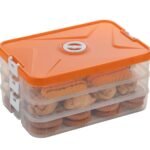
Stackable containers are useful for maximizing vertical space while keeping food neatly organized. Labels can help family members return items to their proper locations, while a simple refrigerator inventory list can prevent duplicate purchases and reduce food waste.
By combining clear organizers, proper food placement, and regular maintenance, you can keep your refrigerator tidy, efficient, and much easier to clean.
Common Refrigerator Cleaning Mistakes to Avoid
Avoid these common refrigerator cleaning mistakes:
Using harsh chemical cleaners
Ignoring door seals
Overloading shelves
Storing hot food immediately
Forgetting condenser coil cleaning
Leaving spoiled food inside
Blocking air vents
Neglecting weekly inspections
Avoiding these mistakes will keep your refrigerator cleaner and functioning efficiently.
Final Thoughts
Regular refrigerator cleaning is one of the simplest ways to improve food safety, reduce odors, and extend the life of your appliance. By following a consistent cleaning schedule, using affordable cleaning tools, organizing food properly, and investing in simple storage solutions, you can maintain a refrigerator that stays fresh, hygienic, and clutter-free throughout the year.
Whether you’re performing a quick weekly tidy-up or a deep refrigerator cleaning session, these practical tips will help keep your fridge organized, efficient, and easy to maintain for years to come.